Your foot. Your back. Your shoulder. Your hip. You stretched what felt tight. You strengthened what felt weak. You showed up to every appointment. Yet you still have stiffness and pain. Not for a lack of effort on your part. Something was missed — I went through a similar experience with healthcare.
Feel the Difference — Reserve Your Assessment 60 minutes to find out what's been missed. Then decide."Everyone treated where it hurt. David looked at why it hurt. Same body. Completely different result." — S. Young, Financial Planner
Something feels tight? Stretch it. Something feels weak? Strengthen it. Every physical therapist, chiropractor, and personal trainer learned this in school. It's all over YouTube. And it sounds completely logical. In healthcare, this is called the rehab model — and it's behind almost every treatment you've ever received.
But here's what nobody asks: why is it tight? Why is it weak? If you stretch a muscle and it tightens back up within hours, the tightness isn't the problem. It's a response to something deeper that nobody checked.
Think about your own experience. Healthcare in America works like a conveyor belt. Primary care referred you to a specialist. The specialist ordered imaging. Imaging showed "findings." You were sent to physical therapy. Exercises helped for a while, then stopped. More imaging. More referrals. Maybe an injection. At any point, did anyone stop the conveyor belt and ask whether they were looking at this the right way?
Did someone ever give you a finish line? Or did every appointment end with "let's schedule another visit"?
If you've been dealing with this for months, you know the feeling. You're starting to wonder if this is just how life is going to be from now on. If the next recommendation is going to be surgery. If you're running out of options. If you've been dealing with this for months, this is for you.
That's not a failure of your body. That's a failure of the rehab model. In under a minute, you'll understand your own body in a way that no provider has ever explained to you. And you'll understand exactly why everything you've tried was aimed at the wrong target.
For six years, I had chronic low back pain — ironically while I was in physical therapy school. I did everything the profession taught me to do. Stretched what was tight. Strengthened what was weak. Applied every best practice on myself, with full knowledge of the anatomy and biomechanics. And I still hurt. Every single day.
Multiple surgeons told me I needed spinal fusion. Hardware bolted to my spine. Permanent.
I said no.
What I practice now is what I developed to solve my own pain. Not manage the symptoms — erase the problem entirely. My body just works again. Like it did when I was a kid.
And what I discovered about my own back turned out to explain what I was seeing in every patient — the runner with plantar fasciitis, the golfer with a torn shoulder, the executive who couldn't sit through a meeting without hip pain. Same system failing. Same compensations forming. Different location on the body. That's what you deserve investigated. Not symptom management. Solutions.
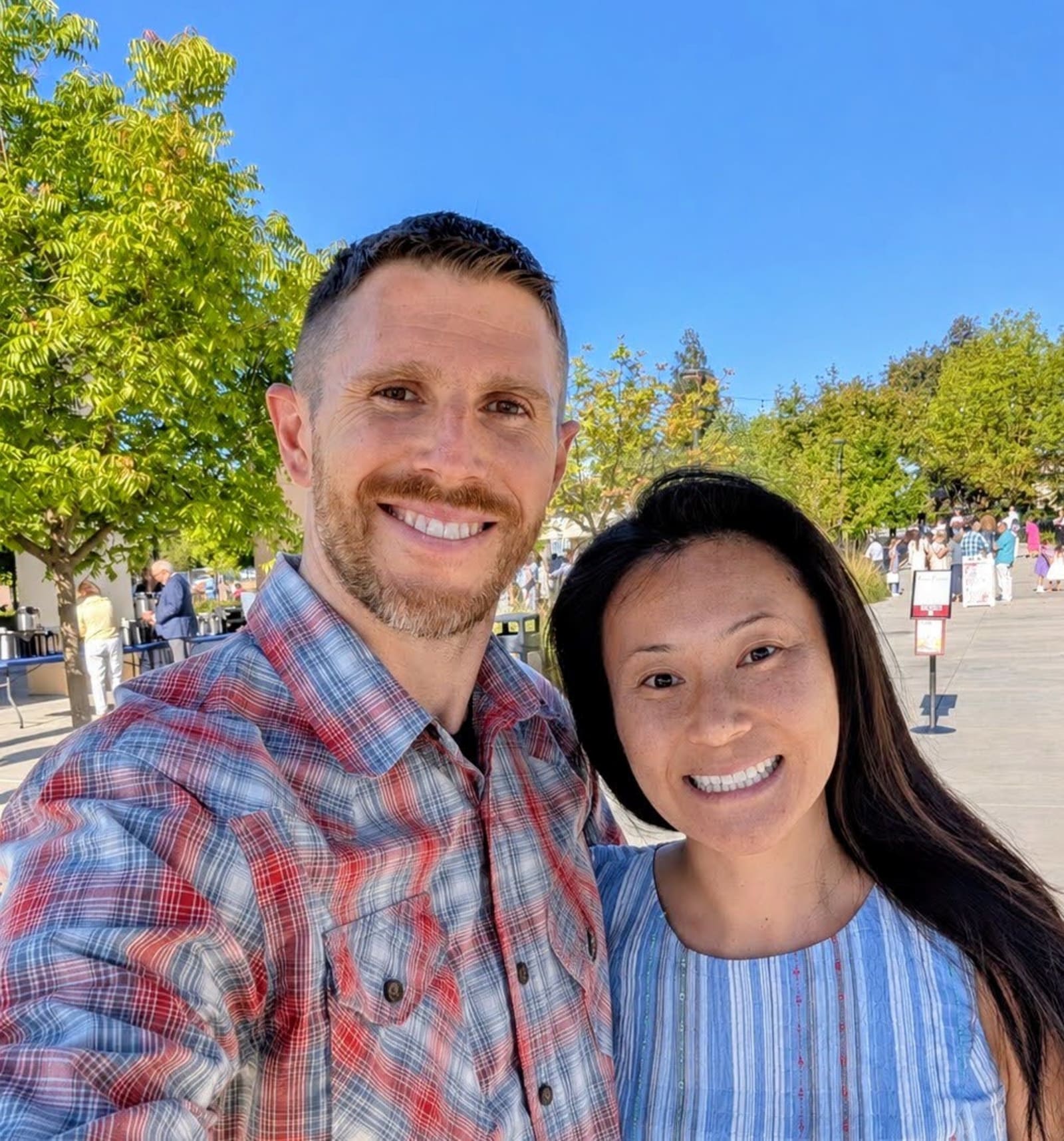
My name is David Quenzer. I'm a physiotherapist who can help you.
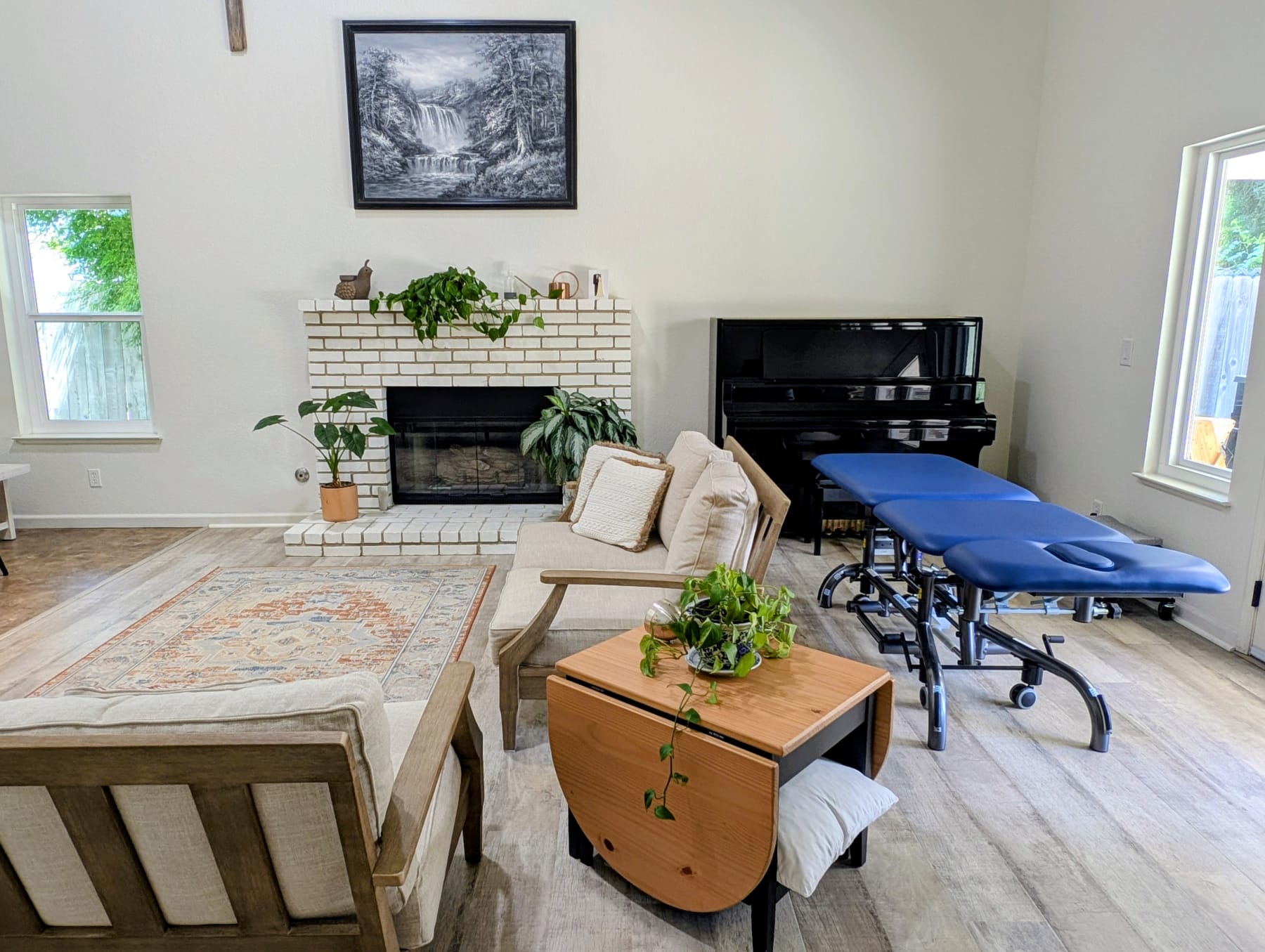
In 60 minutes, you'll understand exactly why nothing has worked. I put my hands on you and run three tests. You feel your own skin tension. You feel the difference between a springy joint and a stiff one. You hear your own breathing pattern played back on your phone. Not because I told you what's wrong — because you felt it yourself. If what I find doesn't make sense to both of us, you walk away with more knowledge about your body than any previous appointment gave you. No obligation. No pressure.
Unlimited visits over 4 weeks. No copays, no per-session billing, no counting visits. I work on you until your pressure system is working and your body no longer needs the compensations causing your pain. My financial incentive is the same as yours — I only succeed when you're done. How many providers in healthcare in America can say that?
No daily exercises to maintain. No stretching routine before you get out of bed. No constantly thinking about your posture. When the pressure system is working again, your body automatically stabilizes itself from the inside. You stand tall in a position you don't have to hold or think about. You play the full round of golf. You pick up your grandkid without bracing. You sit through the flight without shifting every ten minutes.
Because each client gets unlimited visits, I can only work with a small number of people at any given time.
Feel the Difference — Reserve Your Assessment 60 minutes. Then decide."Three surgeons wanted to fuse my spine. David had me breathing different in the first visit. Six weeks later I was back to jiu-jitsu. That was two years ago. Still training without thinking about my back."
— Mark R.
Watch: What I found when the standard approach failed me — and what I do differently now
The podiatrist, the orthopedist, the physical therapist, the chiropractor — think about every one of them. They watched you move. Pressed on the area that hurt. Measured range of motion. Maybe ordered imaging. But did any of them test the three things I'm about to show you?
Have you ever wondered why the area that hurts also feels heavier, stiffer, and older than the rest of your body? Why it doesn't just hurt — it feels like it belongs to a different person?
Try something right now. Pinch and lift the skin directly over whatever hurts most — your foot, your shoulder, your low back, your knee. Pull it away from the muscle. Now do the same thing on the opposite side that doesn't hurt.
Feel the difference? One side lifts easily. The other hurts, or barely moves. Why would the skin on one side of your body be tighter than the other? You didn't injure the skin. Nobody has ever treated the skin. So what's going on?
Your brain tightened it. When something underneath is unstable — a joint that's lost its bounce, a deeper system that isn't doing its job (I'll explain what that system is in a moment) — your body tightens the skin and connective tissue above it like shrink wrap. Brilliant protective strategy. But it creates a second problem: muscles expand roughly 20% when they contract, bulging outward. When the skin is locked down tight, that force goes inward instead, pressing into nerves and blood vessels. That's why the area feels heavy and sluggish. People describe this as "feeling old." It's not aging. It's compression from a protective pattern nobody assessed.
If the painful side was noticeably tighter — that's your body's protective blueprint. Has anyone ever tested your skin tension as part of your pain treatment? If the answer is no, you just found the first thing everyone missed.
When you walk, reach overhead, or swing a golf club, force travels through your joints — each one passing it to the next like a chain. But have you ever been tested for whether your joints actually pass force along, or absorb it and stop it dead?
Try this. Press firmly into the front of your ankle with your thumb. Not on the bone — into the joint space. Push in and release. Springy and resilient, or dense and rigid? Now try your knee. Your hip. Compare the side that hurts to the side that doesn't.
A joint with spring passes force along. A joint without spring absorbs it right where it is. Ten thousand steps a day — if the joint can't pass force along, the tissue around it takes the hit. Over and over. That's how things break down.
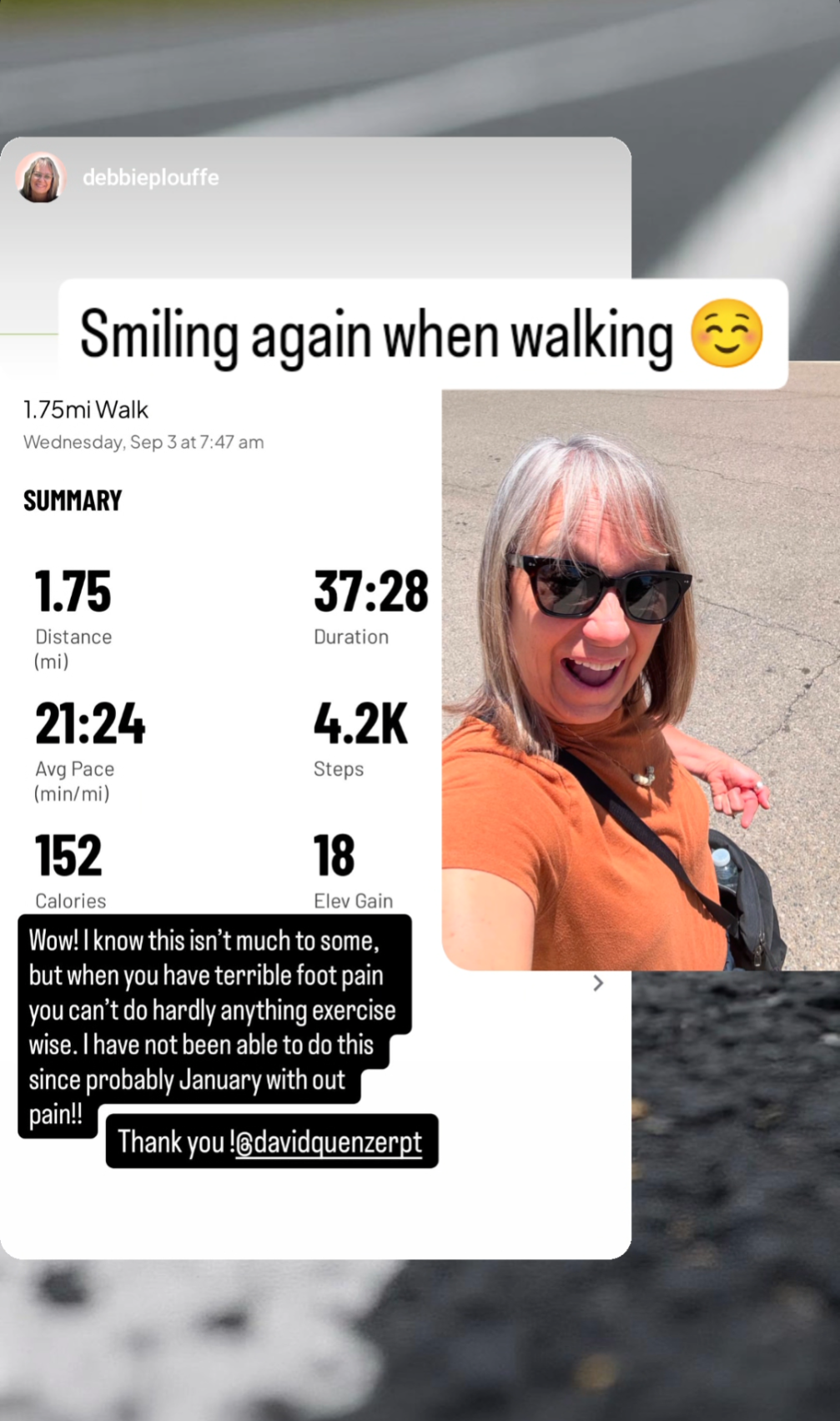
Think about plantar fasciitis. Your foot is caught between your body weight pushing down and the ground pushing up — compressed like an accordion. If the joints above have lost their spring, where does the compressive force land? On the foot. Every step. The foot didn't fail. The joints above it stopped passing force along, and the foot paid the price. I've had patients come in after years of orthotics, night splints, and cortisone injections — and their foot pain resolved in weeks once we restored the spring in the joints above it.
If the joints on your painful side felt dense and rigid — that's force with nowhere to go. Has anyone ever checked your joints for spring? Not mobility. Spring. If the answer is no, that's the second thing everyone missed.
"I'm a runner. Had IT band pain for three years. Every PT gave me the same stretches and strengthening exercises. Temporary relief, then back to square one. David showed me my core wasn't maintaining pressure. Three weeks later I ran a half marathon. Still running. No warm-up routine required anymore. I just lace up and go."
— Jennifer L.
You've felt two things nobody checked. But neither answers the most important question: why? Why did the skin tighten? Why did the joints lose their spring? Something upstream caused those changes. And here's where the rehab model falls apart — it doesn't test this. It was never part of the training.
Have you ever actually heard your own breathing pattern? Not during exercise — just at rest, sitting in a chair. Most people haven't. You can't observe something you've been doing unconsciously for decades.
When I assess you, I record you on your own phone. What most people hear surprises them. Shoulders rising. Chest expanding. Upper ribs flaring. Ask yourself: why are the muscles in your neck and upper back involved in every breath you take? Why are the same muscles you've been stretching also working twenty thousand times a day just to move air?
Here's what's happening. Your body is stabilized by internal pressure. Picture a sealed soda can — it holds the weight of a person standing on it. Not because the aluminum is strong, but because the pressure inside makes the structure rigid. Your core works the same way. The breathing muscle at the top of your trunk, the sling of muscles at the very bottom of your torso, and your abdominal muscles wrapping around like a belt. Together, they create a sealed pressure system — your body's own soda can.
Dent that can — break the seal — and it collapses under the same weight.
When someone chest breathes, that's a dented can. The pressure system isn't sealing. And when it doesn't seal, what does your brain do? Exactly what you already felt — it tightens the skin, stiffens the joints, and grips the outer muscles to create artificial stability. Those adjustments — tightening, locking down, stiffening to hold you together — those are what I call compensations. And they're what every other provider has been treating as the problem. So what happens when someone stretches a compensation without fixing what caused it?
It comes right back. Sound familiar? I've worked with people who were told they needed knee replacements, shoulder surgeries, spinal fusions — and when we fixed the pressure system first, the compensations released on their own. The thing they were told required surgery turned out to be a body holding on for dear life because nobody sealed the can.
One more thing. Most breathwork on YouTube says "breathe with your belly." Better than chest breathing — but is the center of your body flat like a wall, or round like the core of an apple? Front, left side, right side, back. Belly breathing addresses one direction out of four. That's 25% of your breathing potential. What about the other 75%?
This assessment requires professional ears. After 16,000+ hours of hands-on experience, I can hear what's leaking and where within minutes. That's what happens in your Pain Assessment — and it's why you'll finally understand why everything else was aimed at the wrong target.
If all of those are compensations — your body's adjustments to a deeper failure — then where is the actual source?
Think about the Merced River running through Yosemite Valley. If you're standing downstream and the water turns muddy, do you filter the water where you're standing? Or do you hike upstream to find what's contaminating the source? You can filter all day. But until you clear the obstruction upstream, the muddy water keeps coming.
For a shoulder injury: what does the shoulder blade sit on? The trunk and ribcage. If those aren't stable, the shoulder blade is working from a wobbly platform. For plantar fasciitis: what's above the foot? The ankle, the hip, the soda can in your core. For low back pain: what's at the top and bottom of that soda can? The breathing muscle and the pelvic floor — the seal that protects your spine from the inside.
The skin tension you felt in Test 1 and the joint stiffness in Test 2 are the muddy water downstream. The breathing assessment in Test 3 is where I find the rockslide.
"I couldn't pick up my grandkids. Couldn't garden. PT for four months gave me relief that lasted about six weeks each time. David found what they didn't check. Five weeks later, I was doing everything again. That was eight months ago. I don't wake up assessing how my back feels anymore. I just get up and go."
— Patricia S.
Watch: What a pressure system assessment looks like in person
You already know the pattern. But have you followed it forward? If the compensations nobody addressed keep compounding — the skin tightening, the joints stiffening, the muscles gripping — what does year three look like? Year five?
The conservative options stop providing relief. Eventually imaging shows structural changes that look like they require surgery. But were those changes the cause, or the consequence? Did you need surgery all along, or did compensations that were never addressed finally create damage visible on a scan?
Healthcare in America doesn't lack talented providers. It lacks a model that looks for the actual source. And the pressure system that was driving everything from the beginning — the one nobody checked — is it working now? Or is it still leaking?
I'll send you five emails over the next two weeks. Each one will show you something about your own body that healthcare in America never explained. By the time you come in, you'll already understand why everything else was aimed at the wrong target.
5 emails that will show you how pain is solveable
The rehab model focuses on the muscles that hurt — stretching and strengthening them. I focus on why those muscles are working overtime in the first place. The tight muscle isn't the problem — it's a compensation for a pressure system that isn't doing its job. Once the pressure system works again, your muscles relax on their own.
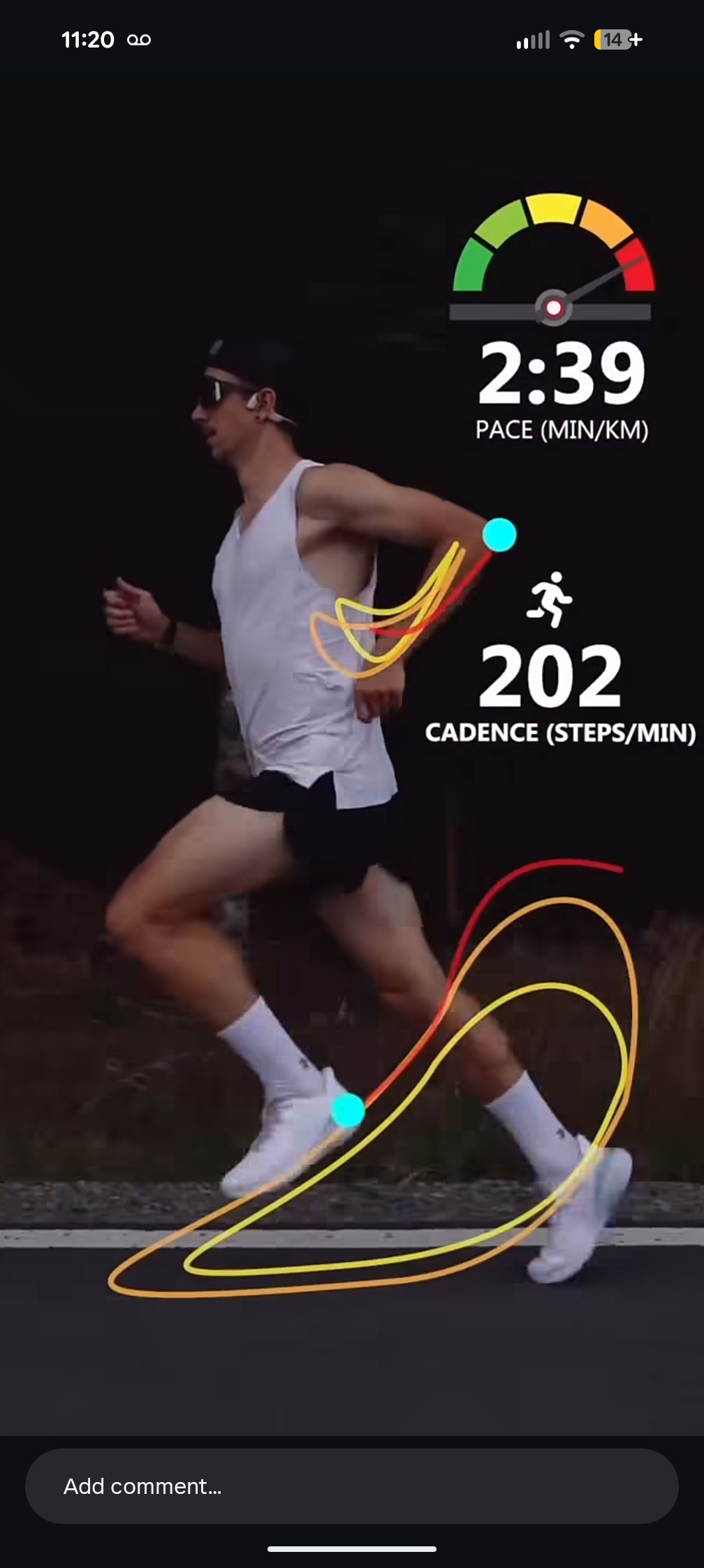
I listen to your breathing instead of just watching you move. The rehab model uses movement screens to find where things look wrong. I use breathing assessment to find pressure system failures that movement screens don't catch. After 16,000+ hours of hands-on experience, I see what's driving your pain — not just where it shows up.
Multiple surgeons told me I needed spinal fusion. I said no, found the actual problem, and haven't had pain since. Surgery is sometimes the right answer. But in healthcare in America, surgery is often the final station on the conveyor belt where nobody checked whether the problem was structural damage or a pressure system that stopped working. That's what I check before you make a permanent decision.
Insurance is the engine that powers the conveyor belt. It dictates how many visits, how long each visit lasts, and what I'm allowed to do. The rehab model is what insurance pays for. What I do isn't covered because healthcare in America isn't set up to pay for resolution — it's set up to pay for management. I charge a flat fee for a complete 4-week restoration so my financial incentive is the same as yours: get this fixed.
I run all three assessments. You feel your own skin tension, feel the difference between springy and stiff joints, and hear your breathing pattern played back on your phone. Within 60 minutes, you'll understand exactly what's driving your pain. Most people feel a difference in their body during the first session — not because I told them something changed, but because they can feel it themselves.
No. When the pressure system is working again — when the soda can is sealed — your body maintains itself with every breath. No daily routines. I'm not teaching you exercises to manage a problem that's still there. I'm fixing the problem so your body works automatically.
The first two tests, you can try right now. The third one — the one that finds where the pressure system is leaking — takes 16,000+ hours of hands-on experience and 60 minutes in my office. That's your assessment. You'll feel the difference in your own body, understand exactly what's driving your pain, and then decide if this is the path forward.
Because each client gets unlimited visits, I can only work with a small number of people at any given time.
Feel the Difference — Reserve Your Assessment 60 minutes. Then decide.Want to keep learning first? Get the free email series — then schedule when you're ready.